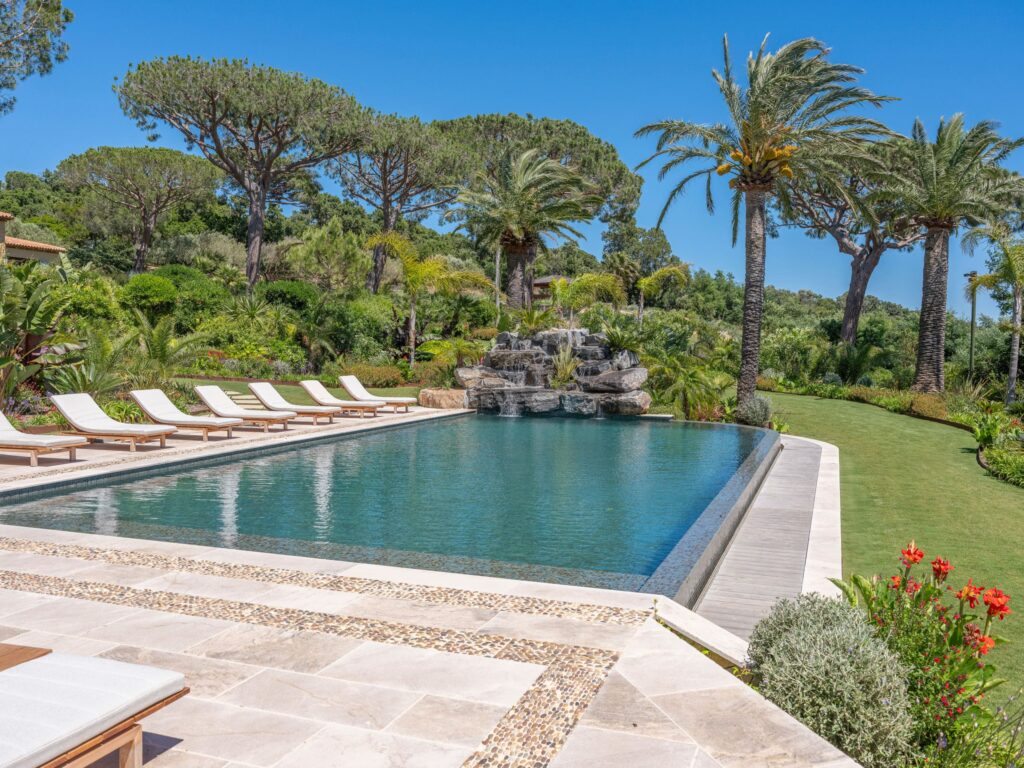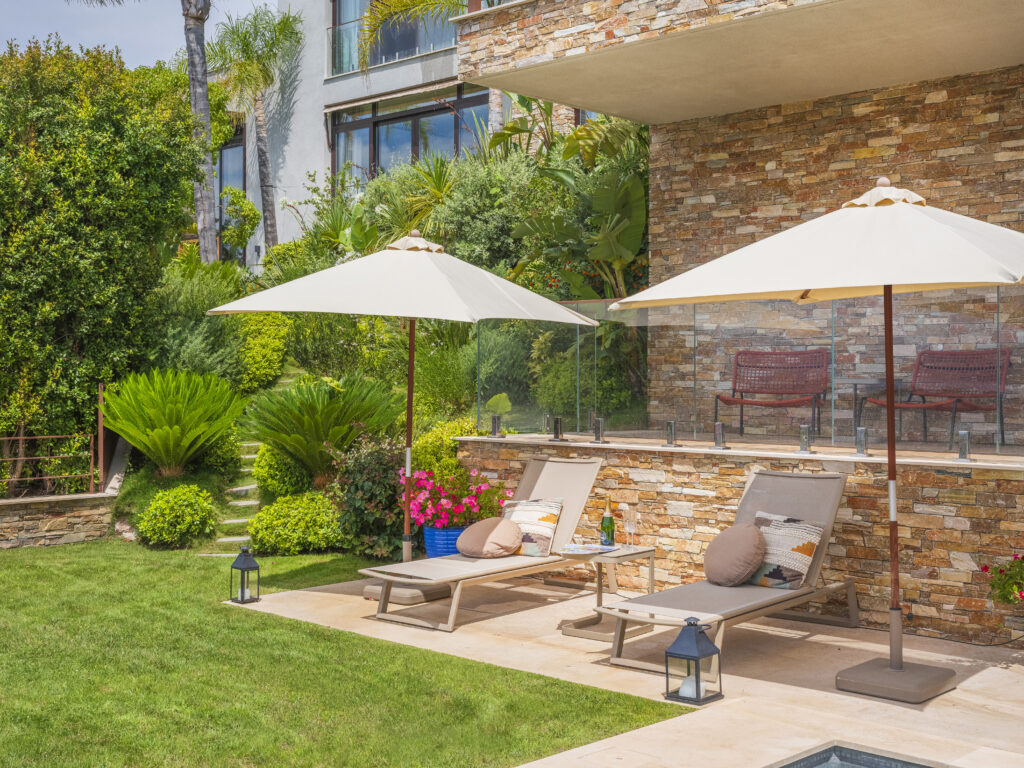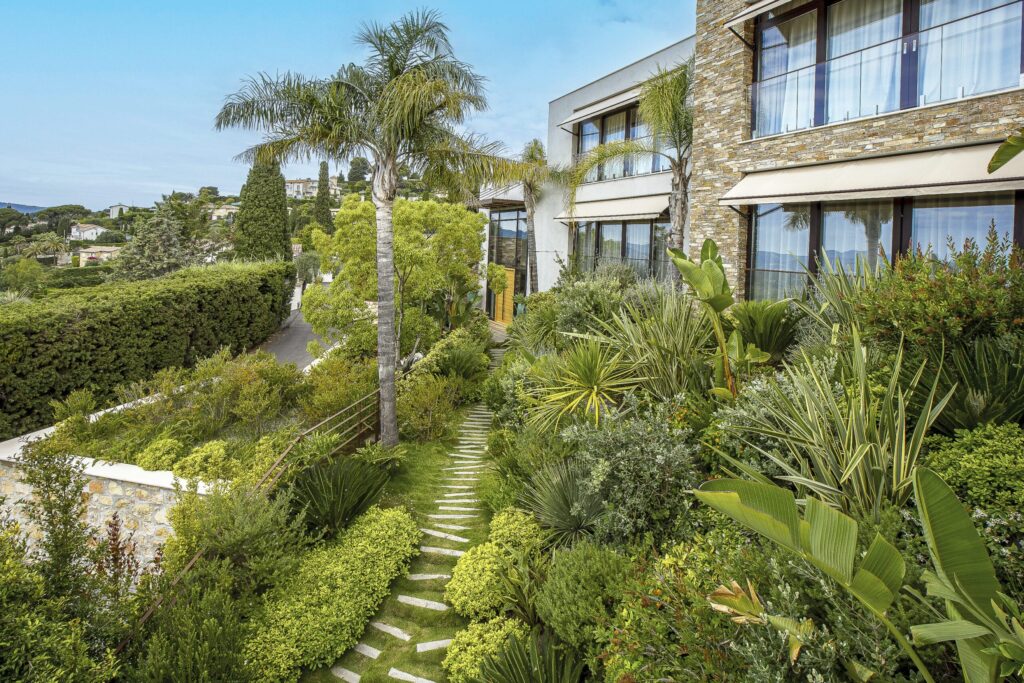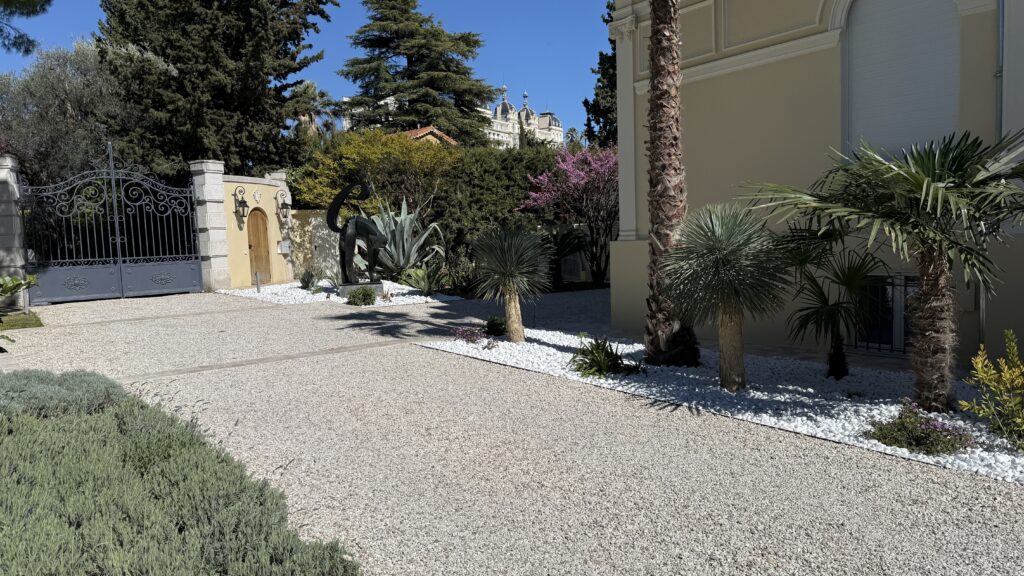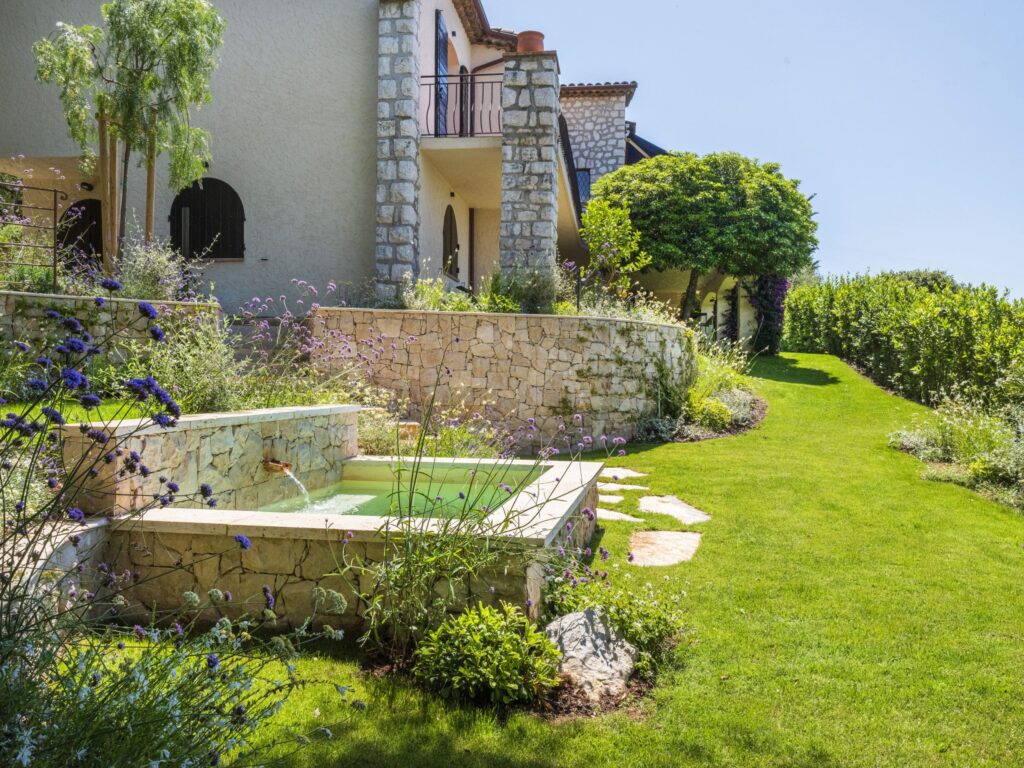

An impeccable garden makes you forget everything that made its beauty possible—the work from which it was born. It gives the impression that this beauty settled in on its own, almost by accident.
Yet every pathway laid out, every balanced planting bed, every controlled tree conceals methodical and regular work. A garden never stands still: it lives, evolves, reacts to the seasons, and requires constant vigilance. Between aesthetic ambition and the reality of living things, discipline guides every action, but adaptation remains essential: constant adjustment, composition, and response are required. So what does a landscape gardener really do on an estate where excellence is the standard?
Preserving the Aesthetics and Balance of the Garden
A prestigious estate is built on daily discipline, where every intervention protects what the eye perceives as a natural balance, but which exists only through deliberate intention.
Maintaining Flawless Aesthetics Every Day
In a high-end garden, every detail matters. The landscape gardener ensures lawn maintenance to preserve even density and rich color, while carrying out regular mowing adapted to climatic conditions. Hedges and planting beds are trimmed with precision to maintain clean, elegant lines, while pathways and circulation areas remain tidy.
This daily discipline is essential. In just a few weeks, uncontrolled growth or lack of maintenance can disrupt the overall harmony and create a sense of disorder.
Ensuring Plant Balance and Long-Term Sustainability of the Landscape
Beyond aesthetics, the landscape gardener ensures the proper development of plants over time. Trees and shrubs are pruned with consideration for their natural growth, their structure, and their role in the garden’s composition.
They also monitor plant health to quickly detect signs of stress, disease, or deficiency. Even a slight imbalance can have visible consequences. For example, a poorly pruned shrub or a weakened plant can disrupt an entire planting bed. The challenge is therefore to anticipate these changes in order to maintain lasting, controlled harmony.
Mastering Advanced Horticultural Techniques
Maintaining an estate requires precise technical skills, essential for preserving the structure and vitality of the landscape.
- Architectural pruning: Pruning structures the garden. The topiary art requires precision, consistency, and foresight to maintain clean, elegant shapes, perfectly aligned with the estate’s aesthetic.
- Care for trees and shrubs: The landscape gardener works on plant health and safety through appropriate pruning techniques. They remove weakened branches, guide plant development, and ensure the preservation of natural balance.
- Plant health management: Careful observation helps detect diseases, pests, or signs of water stress. This responsiveness is essential to prevent the spread of problems and preserve the integrity of the garden.
- Soil fertilization and maintenance: Soil is the foundation of any successful landscape. The gardener adjusts nutrient inputs, improves soil structure, and ensures an environment conducive to plant growth, even under sometimes challenging conditions.
- Management of growth cycles: Every intervention is carried out at the right time. Poorly timed pruning or unsuitable inputs can permanently weaken plants and disrupt the balance of the entire garden.
Mastery of these techniques ensures precise, sustainable maintenance perfectly aligned with the demands of a prestigious estate.
Adapting Maintenance to the Rhythm of the Seasons
A prestigious estate is not maintained uniformly throughout the year. Each season requires specific interventions, and it is in this ability to anticipate that much of the landscape gardener’s expertise lies.
Winter
Winter is a strategic period, often invisible but essential. The gardener carries out structural pruning of trees and shrubs, promoting harmonious growth for the seasons to come. Pruning also helps secure plants weakened by bad weather. It is also the time to work the soil, prepare future plantings, and anticipate imbalances. Poorly executed work during this period can have lasting effects on the garden’s structure.
Spring
With the return of milder temperatures, the garden enters a phase of active growth. The gardener intensifies lawn care, revitalizes planting beds, and performs the first maintenance pruning. Nutrient inputs are adjusted to support plant development. This period requires great vigilance: diseases and pests appear quickly, and delayed action can compromise the garden’s balance.
Summer
Summer puts the garden to the test. Water management becomes central to limit water stress while avoiding waste. The gardener adjusts frequency and volume according to zones and exposure. The most sensitive plants are closely monitored, as excessive sun or wind exposure can lead to rapid drying out. Without precise management, some areas can deteriorate in just a few weeks.
Autumn
Autumn marks a transition phase. The gardener clears leaves, maintains planting beds, and performs light pruning to preserve the garden’s harmony. They also prepare plants for winter conditions by strengthening their resilience. This season allows adjustments to plantings and correction of imbalances observed during the year, in order to face winter in the best possible conditions.
Maintaining Equipment and Landscape Features
Beyond plant life, a prestigious estate relies on the quality and upkeep of its features. The landscape gardener ensures the maintenance of wooden or stone terraces, the cleaning of pathways, and the preservation of materials against climatic wear.
Ponds, fountains, and pools also require regular attention to guarantee water quality and the proper functioning of installations. Irrigation systems are checked and adjusted to ensure efficient and sustainable resource management.
Without this rigorous maintenance, wear, deposits, or technical malfunctions can quickly degrade the aesthetics and comfort of the space. Regular interventions help preserve the elegance and coherence of the estate over time.
The Exceptional Gardener: A True Guardian of the Landscape
On a prestigious estate, the landscape gardener does not limit themselves to garden maintenance: they observe, anticipate, and support the evolution of the landscape. Their expert eye allows them to adapt interventions to the garden’s real needs and preserve its balance through the seasons.
- Analysis of the site and vegetation;
- Adjustment of practices according to climate;
- Advice and personalized project monitoring;
- Anticipation of imbalances;
- Sustainable preservation of landscaped spaces.
Thanks to their expertise, a specialized team like Adonis Paysages provides tailor-made maintenance, including tree pruning and care. The garden thus becomes a living heritage, maintained with precision and high standards.
Maintaining a prestigious estate relies on demanding expertise, where every action contributes to preserving the balance of the landscape. More than a technician, the landscape gardener is its true guardian. Want to sustainably enhance your outdoor spaces? Contact Adonis Paysages for tailored support.