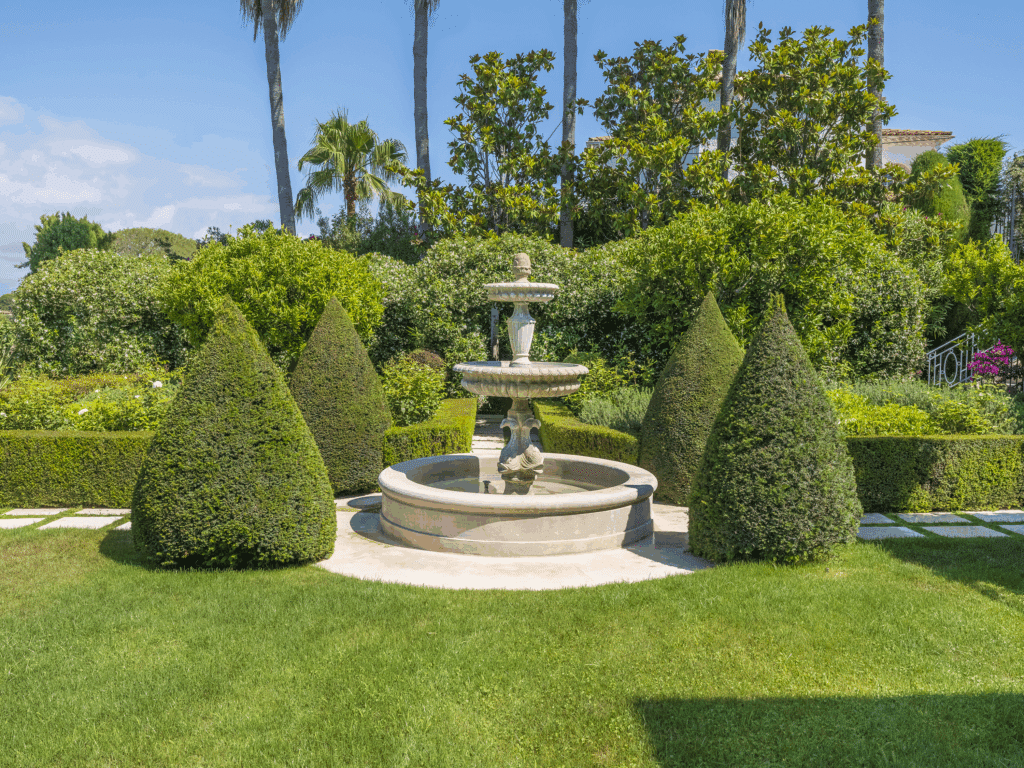
More than just a pruning technique, topiary is a true aesthetic signature that enhances outdoor spaces. Rooted in centuries-old traditions yet reimagined with a modern touch, it fits seamlessly into contemporary and Mediterranean gardens, where it structures space and enhances visual perspectives. More than mere decoration, it stands as a symbol of refinement and lasting beauty. How can this ancestral art transform your garden into a living masterpiece—both sophisticated and timeless?
Topiary art: between history and modernity
Before exploring why topiary has found its place in high-end gardens, it’s essential to understand its historical roots and the variety of plant forms it embraces.
Origins and evolution
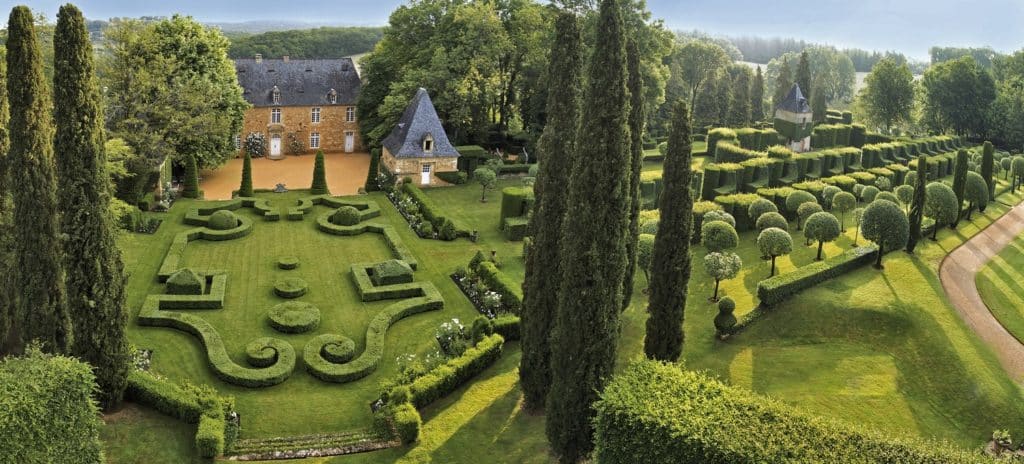
Topiary gardening is the art of pruning trees and shrubs into geometric or figurative shapes. Inherited from Ancient Rome, it was refined during the Renaissance and reached its height in the formal French gardens. In the gardens of the Château de Versailles, plant sculptures line the walkways and underscore the grandeur of the site. This legacy has been passed down through the centuries, inspiring iconic locations such as the gardens of the Eyrignac Manor, where topiaries showcase a centuries-old know-how.
Today, topiary is being reinvented. Modern gardeners blend strict forms with freer silhouettes to create refined, less rigid spaces. Japanese influences, particularly from the art of bonsai, also inspire high-end projects where pruning becomes an artistic gesture.
Iconic styles and plant varieties
Classic shapes like spheres, cones, or spirals remain timeless, adding a touch of enduring elegance to any garden. But more daring creations are also emerging: silhouettes, animals, vegetal waves, or asymmetrical compositions that give a modern twist to traditional layouts. These plant sculptures become genuine living artworks.
Maintenance is key, and shears will be your best ally. Topiaries require regular pruning to maintain their precision and elegance. Without careful attention, the shapes quickly distort and lose their harmony. Appropriate nutrients and vigilant monitoring for pests or disease also ensure the foliage remains healthy—essential for the lasting beauty of an exceptional garden.
Topiary: the asset of a high-end garden
Topiary has stood the test of time because it offers far more than aesthetic appeal—it is a powerful tool to structure and enhance prestigious gardens.
Structuring and enhancing space
In an exceptional garden, topiaries are not mere decorations—they serve as true compositional tools. They help structure pathways, highlight perspectives, and guide the gaze. In Mediterranean designs, they are also used to conceal certain paths, creating a refined shift between foreground and background. This staging of plant life gives the garden a structured, almost architectural character, while remaining alive and ever-changing with the seasons, as seen in Riviera gardens where composition and elegance are key.
To complement this visual harmony with an olfactory dimension, be inspired by the combination of topiary art and a Mediterranean aromatic garden—a perfect alliance of structure and sensation.
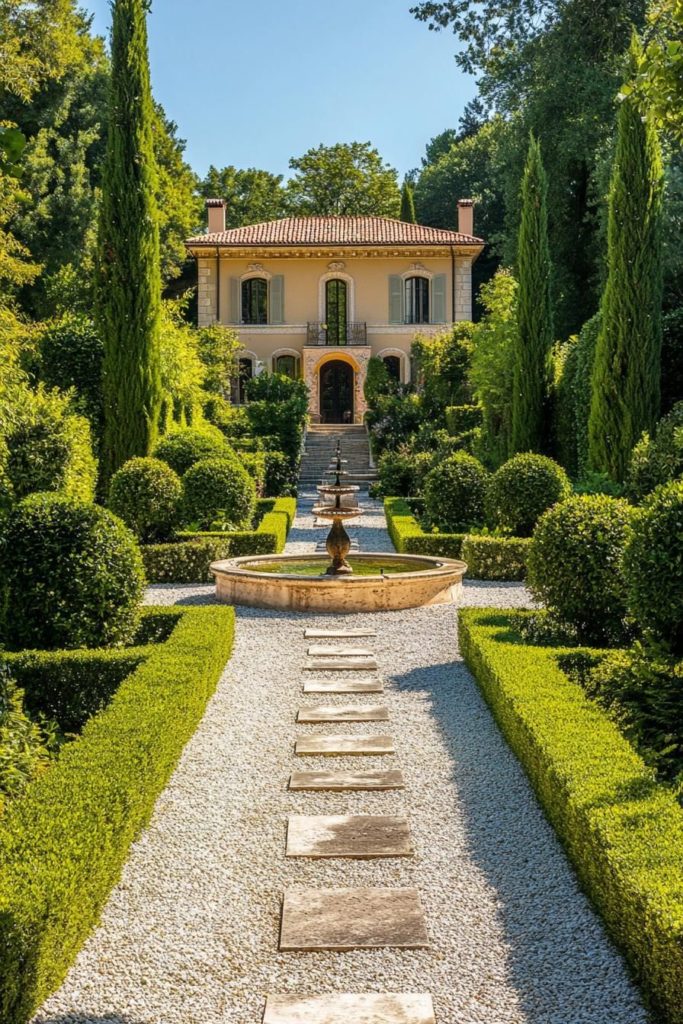
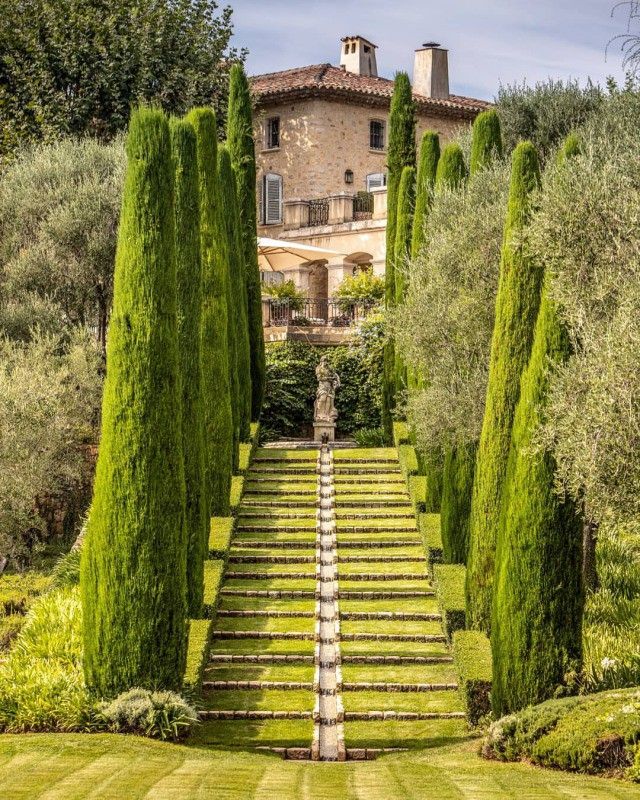
At night, suitable lighting enhances the garden and also highlights these plant sculptures.
Rounded shapes, whether single or double, are especially popular for marking a villa entrance or accentuating a terrace. Placed on either side of a gate or aligned along a pathway, they establish an elegant rhythm and refined symmetry. Combined with conical forms or neatly trimmed low hedges, they create balanced compositions that enhance the surrounding architecture. Regular pruning is essential to maintain the precision of these lines and preserve the overall harmony of the space.
Elegance and property value
Beyond their structural role, topiaries create a strong visual identity without enforcing a rigid style, allowing the garden to adapt to various themes: contemporary, Mediterranean, or more classical. Each plant volume contributes to a living tableau where shapes interact with the architecture and surrounding materials. In some projects, this quest for balance extends beyond the plant world, with the integration of sculptures and artistic installations in the garden, creating continuity between nature, design, and emotion.
This aesthetic approach also has a tangible impact on the overall perception of a property. A carefully designed garden, where plant sculptures serve as focal points, reflects a refined lifestyle—without relying on vast, water-intensive lawns.
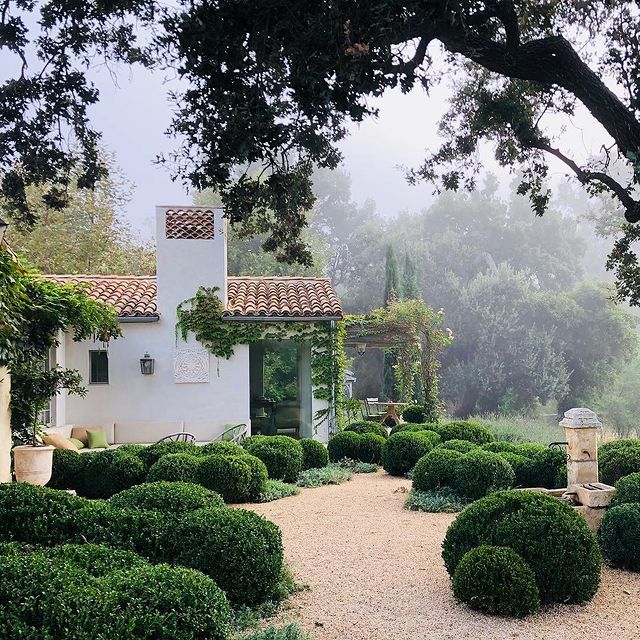
The presence of custom-shaped greenery brings a sense of harmony—highly prized in premium landscaping projects—without aiming to replicate the grand parterres of a historic château. It’s about finding the right balance suited to the Mediterranean climate.
A well-managed, sustainable layout can significantly increase property value. It enhances aesthetic appeal while remaining compatible with current climate challenges, thanks to well-adapted plant choices and thoughtful maintenance practices.
Creating a successful topiary garden
The design of a topiary garden relies on a comprehensive approach: plant selection, balance of volumes, and strategic placement. This is why many homeowners turn to a landscape designer. It is, in fact, recommended to hire the best landscape designer on the Côte d’Azur for this type of project.
Choosing the right plants
The choice of plant species determines the longevity and elegance of a topiary garden. On the beautiful Côte d’Azur, some varieties should be avoided, such as boxwood, which is too vulnerable to box tree moths and diseases that weaken its foliage. For small manicured hedges, myrtle is ideal, thanks to its density and ability to maintain crisp lines year-round.
For round shapes—especially popular for framing a villa entrance or punctuating a walkway—it’s better to opt for pittosporum or westringia. Ilex crenata is also appreciated for its hardiness and evergreen foliage, perfect for maintaining consistent geometric forms. These Mediterranean varieties respond well to regular trimming, adapt to local climatic conditions, and bring understated, long-lasting elegance.
The landscape designer’s eye
Beyond the plant selection, the success of a garden lies in the designer’s artistic vision. Volume balance is crucial: it’s about playing with trimmed forms, visual perspectives, and guiding lines to create a cohesive space without overwhelming it. Spheres of varying sizes, cones, or bonsai-inspired silhouettes add refined visual dynamics—whether in a modern setting or a property evoking the elegance of a château, without attempting to replicate it.
Working with a landscape designer offers tailored support: from selecting plant species and positioning them according to the climate, to creating a sustainable and evolving design. These projects transform a simple green space into a true landscape painting, where sculpted trees and shrubs become the expression of a living, timeless art form. To achieve such a result, it is essential to follow the key steps of a successful landscape design.
Through careful plant selection, meticulous maintenance, and the expertise of a landscape designer, topiary transforms space into a refined and lasting plant masterpiece. Want to elevate your outdoor space?
Contact Adonis Paysages and bring your exceptional project to life.