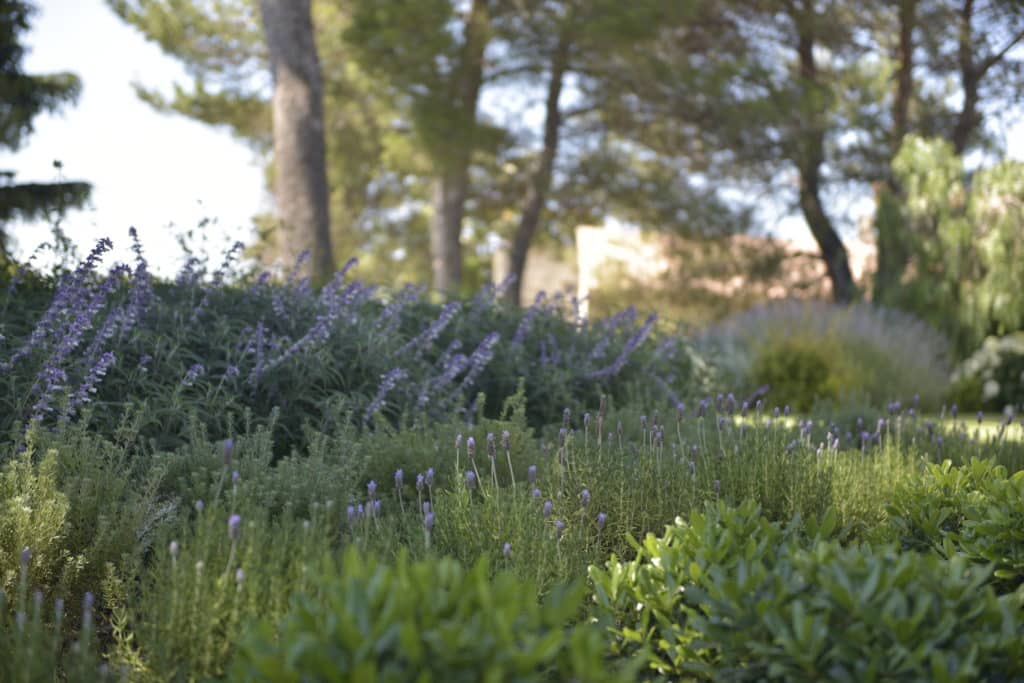
An exceptional garden is measured not only by its beauty, but also by its ability to stand the test of time without losing its charm. Designing a sustainable outdoor space requires a holistic approach: carefully selected plants, quality materials, smart resource management, and adaptation to the local region.
It addresses today’s ecological challenges while creating refined living spaces around the home, ensuring perfect harmony between the garden’s design and the architecture of the house. How can elegance and environmental awareness come together to give rise to an exceptional outdoor space?
What is a sustainable garden?
A sustainable garden is based on clear principles: preserving natural resources, adapting to the soil, local climate, and sunlight, and integrating biodiversity as a core element of design. This approach tackles contemporary challenges such as climate change, water scarcity, and alarming biodiversity loss. Far from being restrictive, it paves the way for a new kind of landscape aesthetic.
Such a garden offers many advantages. Its beauty evolves with the seasons, supported by well-adapted plants that thrive—even in winter. Its longevity is built to last, and its maintenance becomes more efficient, freeing up time to enjoy the space. A garden designed to endure is one that grows more beautiful over the years.
How can a sustainable garden be luxurious?
Contemporary luxury is no longer defined by extravagance, but by authenticity—just like luxury gardens inspired by the Riviera.
The influence of contemporary architecture and design
Modern architecture, minimalist design, and today’s garden art draw inspiration from environmentally conscious approaches. Leading landscape designers understand that sustainability is not a barrier to creativity but a powerful catalyst for ideas. Clean lines harmonize with untamed vegetation, raw materials enhance delicate blooms, and mineral volumes contrast with the softness of ornamental grasses. This new trend in landscape design draws from Japanese gardens, natural meadows, and water-wise Mediterranean landscapes.
The search for meaning and connection to nature
A sustainable garden can be just as luxurious as a traditional, resource-intensive one. This approach responds to a deeper desire for meaning. It favors quality over quantity, promotes responsible resource use, celebrates an intimate connection with nature, and highlights artisanal craftsmanship. Watching birds, growing a small vegetable garden, harvesting your own produce—these simple pleasures are the true luxury of today.
Key elements of a sustainable garden
To bring your landscaping project to life, several essential dimensions deserve special attention, from the initial design phase to the smallest details.
Smart landscaping design for long-lasting comfort
Designing a resilient garden starts with a thoughtful understanding of natural flows. Creating strategic shaded areas provides welcome summer coolness, transforming the outdoors into a haven during heatwaves. A soothing microclimate gradually takes shape, the result of intentional design.
Planting to create calm becomes a form of living architecture. Wind-filtering hedges, shade trees to temper the sun, and planting beds that offer refreshing zones all contribute. Every plant plays a role in this living theater, creating a garden that is both comfortable and beautiful.
Plant selection: climate-appropriate and biodiversity-friendly
Local plants are the backbone of a sustainable garden. They thrive in the region, require little intervention and fertilizer, and resist climatic extremes. Elegant perennials provide year-round structure, while nectar-rich species attract pollinators and butterflies. If you’ve chosen an aromatic garden with rosemary and thyme, it’s an excellent choice for supporting biodiversity.
Creating rich plant environments means thinking in layers:
- Shade trees form the upper canopy, regulating temperature and offering shelter for wildlife;
- Natural hedges create generous shapes, filter winds, and structure space without excessive rigidity;
- Flower beds draw the eye through the seasons, attract pollinators, and offer a dynamic plant palette.
This composition fosters biodiversity while providing a sophisticated visual structure.
Water management: designing a water-efficient, self-sufficient garden
Water is becoming a precious resource that must be managed intelligently. Modern irrigation systems—such as drip irrigation with moisture sensors and smart programming—optimize every liter used. This invisible technology ensures plant health without waste.
Rainwater harvesting is integrated into the overall design. Decorative mulching with wood or stone retains soil moisture while enhancing planting beds. Choosing water-wise plants doesn’t exclude water features: a modern pond, minimalist fountain, or ecological pool becomes a captivating focal point that supports biodiversity.
Green technology and thoughtful management
Smart tech discreetly enters the garden. Automated water systems, lighting adjustments, and maintenance scheduling simplify daily life without diminishing the experience. These intelligent systems blend into the natural beauty while ensuring optimal gardening.
Choose stylish solar lighting: discreet by day, it highlights the garden’s shapes at night without disturbing nocturnal wildlife. These low-impact solutions protect insects and birds while creating refined nighttime atmospheres.
Noble and eco-responsible materials
Material choice reflects both ethics and aesthetics. FSC- or PEFC-certified wood ensures sustainable forestry, local natural stone anchors the garden to its environment, and recycled metal adds a contemporary, responsible touch. Outdoor furniture becomes a centerpiece of the design. Local craftsmanship offers unique creations, while eco-conscious brands provide innovative designs. Eco-friendly and bio-based materials help control the garden’s carbon footprint.
Permeable surfaces combine elegance with practicality:
- Permeable pavers allow water to soak into the ground while offering stable, stylish walking areas;
- Stabilized gravel forms refined pathways with a sophisticated mineral look, blending into all garden styles;
- Stepping stones offer a poetic trail through planting beds, inviting contemplative strolls.
These aesthetic solutions protect the soil from impermeabilization while structuring the space with elegance.
For more tips, read our article on integrating an infinity pool into a luxury garden design.
A truly exceptional garden project combines timeless beauty, functionality, and environmental awareness—creating a living legacy for years to come. With the help of a landscape designer, you can create a custom outdoor space in harmony with nature and your lifestyle.
Dreaming of a one-of-a-kind garden that’s as respectful of nature as it is a reflection of you? Contact us to design a bespoke outdoor space that blends refinement and responsibility.