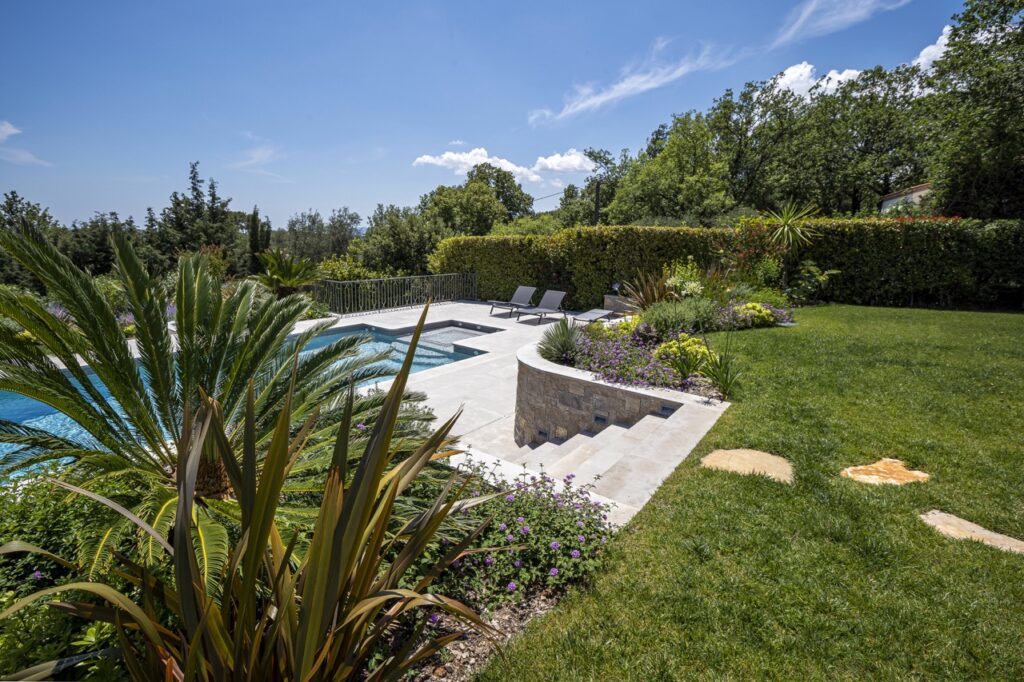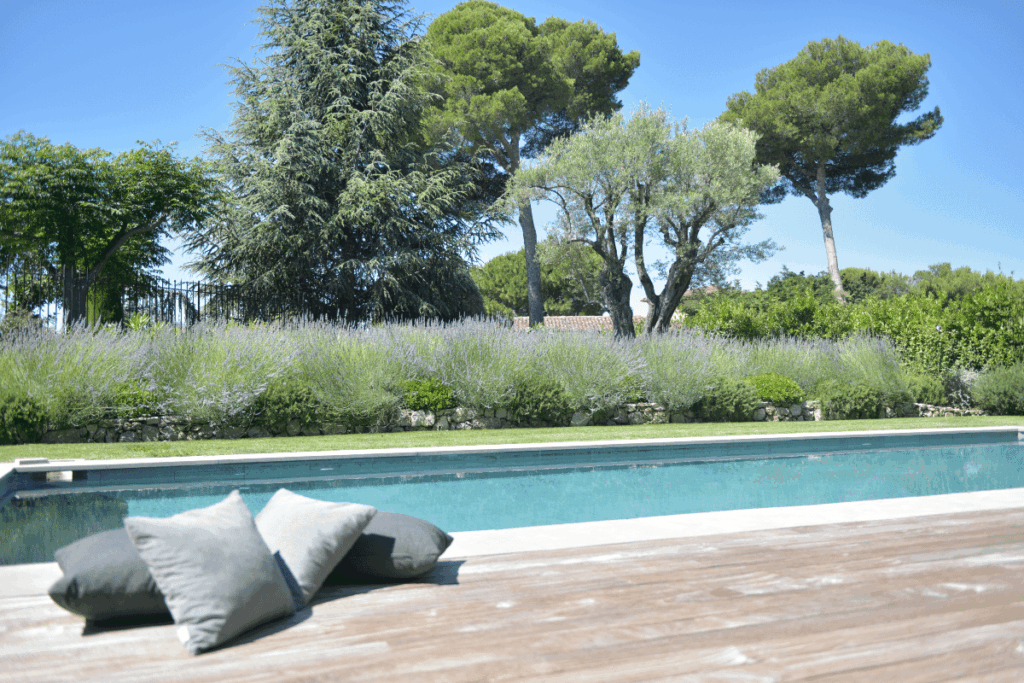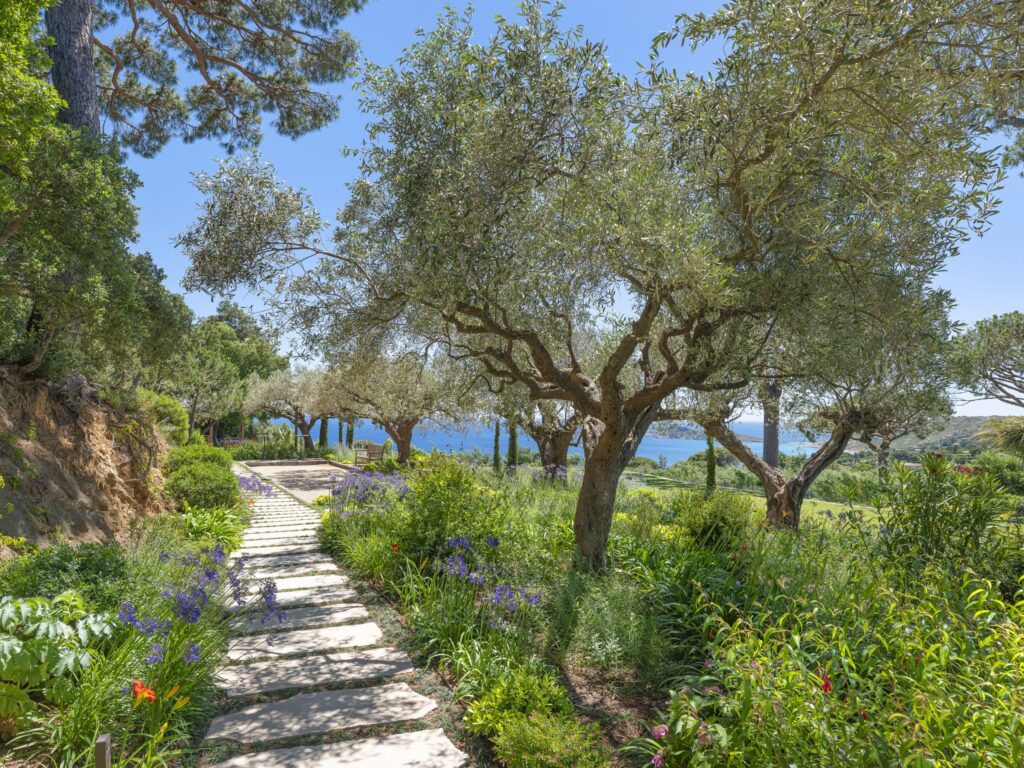

A well-designed outdoor space enhances the home and anchors it in its surroundings. A terrace, garden, or poolside area ceases to be a simple peripheral zone and becomes a place in its own right, where comfort and a form of understated elegance are equally sought after. The visual obviousness hides a reality: climate, exposure, and usage are decisive. Between vision and technical constraints, the balance is fragile. How can you design an outdoor relaxation space?
The Codes of a High-End Outdoor Relaxation Space
An outdoor relaxation space is based on overall coherence between comfort, aesthetics, and the actual use of the place.
Absolute Comfort and Controlled Privacy
Comfort is the foundation of any successful relaxation space and relies on concrete elements such as:
- generous seating;
- a shaded area;
- protection from the wind;
- control over overlooking views.
Elements such as pergolas, shade sails, or structuring vegetation help filter the light and preserve privacy without closing off the space. However, this balance remains fragile, as a terrace overly exposed to the sun or poorly protected from prevailing winds quickly loses its appeal.
Refined Aesthetics Rooted in the Setting
The elegance of a high-end outdoor space comes from a coherence between the architecture of the house and its environment. A dialogue must be established between lines, materials, colors, and the home to create continuity. On the other hand, a layout designed without considering the terrain disrupts the visual balance. Striking furniture that is poorly positioned or unsuited to the local climate can undermine the entire project.
An Immersive Sensory Experience
A relaxation space is experienced through a combination of sensations. The rustling of leaves, the softness of materials, the play of light and shadow, and the scents of plants all contribute to creating an enveloping atmosphere. This experience requires precise design, as even an aesthetically pleasing space can lose its appeal if it is poorly oriented. Sensory harmony always arises from a careful balance between intention and the reality of the site.
Structuring the Space to Create Multiple Relaxation Areas
A high-end outdoor space stands out for its ability to offer different uses while maintaining a clear and harmonious reading of the garden.
The Outdoor Lounge Area: The Heart of the Project
A true open-air living space, the lounge area often forms the central point of the design, where sofas, armchairs, and coffee tables create the conditions for extended comfort and natural interaction. Its placement is strategic: it must benefit from controlled shade, a pleasant view, and sufficient protection from the wind. Otherwise, even the most high-end furniture loses its appeal, especially in summer when exposure becomes too intense.
The Reading or Relaxation Corner: A More Intimate Retreat
Away from circulation areas, the reading or relaxation corner offers a more private space, conducive to calm and disconnection. Set under a pergola, in the shade of a tree, or behind a plant screen, it creates a bubble of tranquility within the garden. However, poorly planned placement—too enclosed or insufficiently ventilated—can create a sense of discomfort.
The Dining and Wellness Area: Sociability and Functionality
The dining area extends the home outdoors and structures moments of conviviality. A table, chairs, and equipment such as a summer kitchen or a plancha must integrate into the garden’s flow. Nearby, a wellness area with a spa or an infinity pool completes the experience by bringing freshness and relaxation.
Choosing High-End Materials and Furniture
The choice of materials determines the durability, comfort, and quality of use of the relaxation space.
- Noble woods (teak, ipé): warm and elegant, they bring a true visual signature, but require regular maintenance to preserve their color and resistance to climatic conditions.
- Natural stone: durable and timeless, it structures spaces while offering excellent thermal inertia, although some lighter choices can increase glare and create discomfort in peak summer.
- Technical textiles: cushions, seating, and fabrics must combine aesthetics and durability, otherwise they may deteriorate under sunlight or changing weather conditions.
- Treated metals: aluminum or powder-coated steel offer contemporary lines and great robustness but can become very hot when exposed to the sun.
A well-considered choice of materials helps avoid premature deterioration and user discomfort while ensuring an outdoor space that is as pleasant to live in as it is to admire.
Creating a Unique Sensory Atmosphere
The goal is to create an immersive ambiance capable of awakening the senses while reinforcing a feeling of well-being.
- Landscape lighting: it structures volumes, secures movement, and extends the use of the space after sunset. Lighting that is too direct or too intense can harm the desired sense of intimacy.
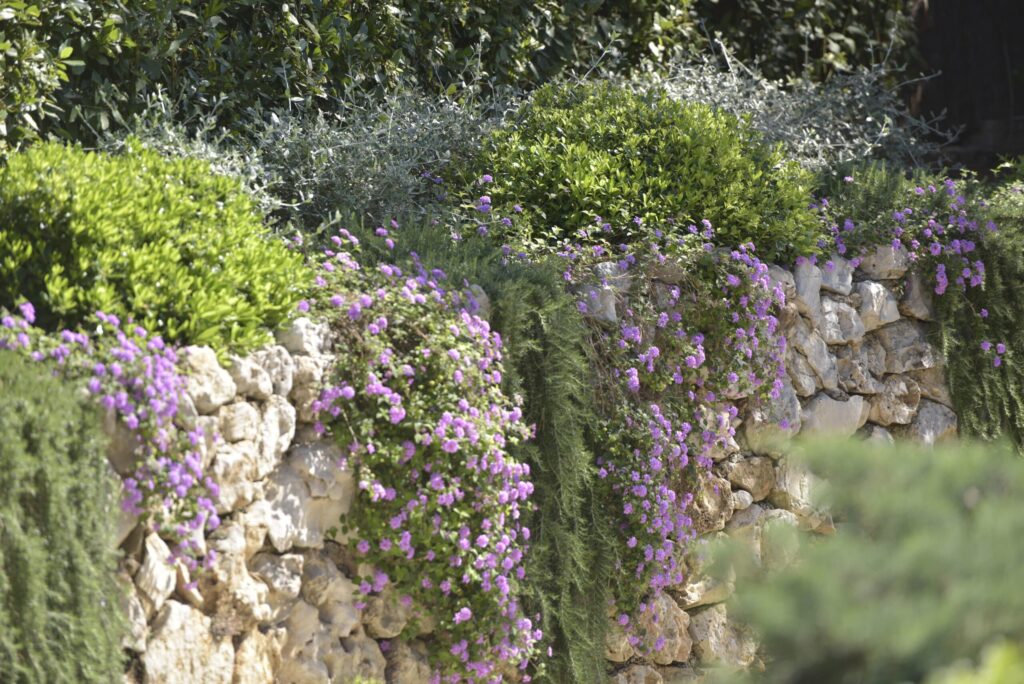
- Plants: the choice of plants brings movement and freshness. Their placement must be carefully considered to avoid areas that are too dense or too exposed.
- Water (fountain, pond, pool): it introduces a soothing dimension through sound and the coolness it provides. Poor placement, however, can create maintenance constraints or significant water loss.
- Garden scents: aromatic plants and blooms contribute to the sensory identity of the place, provided they are suited to the climate and exposure.
- Play of light and shadow: essential for thermal comfort, they create an atmosphere that evolves throughout the day. Poor management of these contrasts can make certain areas uncomfortable.
The balance between these elements transforms an outdoor layout into a true sensory experience.
Hiring a Landscape Designer for a Tailor-Made Project
Hiring the best landscape designer on the French Riviera means benefiting from expert support for:
- A detailed analysis of the site: sun exposure, prevailing winds, overlooking views, soil type… all parameters that are not immediately visible but are crucial to the project’s success
- A tailor-made design: adapting the layout to lifestyle, the home’s architecture, and intended uses
- A rigorous selection of materials and plants: to ensure aesthetics, durability, and coherence with the Mediterranean climate
- Mastery of volumes and circulation: to create a fluid, functional, and pleasant space for everyday living
- Anticipation of maintenance constraints: to avoid attractive layouts that are difficult to maintain over time
- The ability to avoid costly mistakes: poor placement, unsuitable materials, overexposure… all common pitfalls in unsupported projects
The landscape designer knows how to adjust, correct, and sometimes abandon certain ideas to ensure a lasting and coherent result.
A high-end outdoor relaxation space relies on a subtle balance between aesthetics, comfort, and site constraints. Thoughtfully designed, it becomes a true living space. Want to create a unique and elegant area? Contact Adonis Paysages for tailored support.